



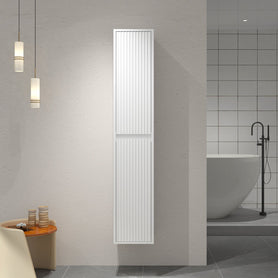
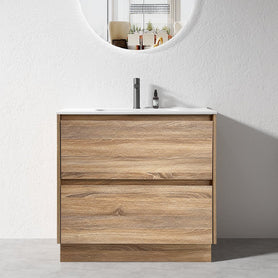
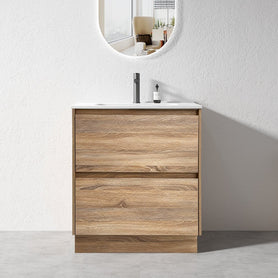


























How to Prevent Mould in Bathrooms in New Zealand
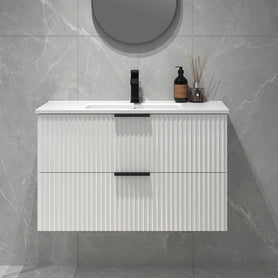
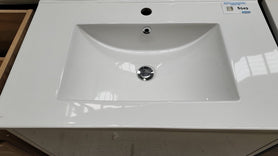
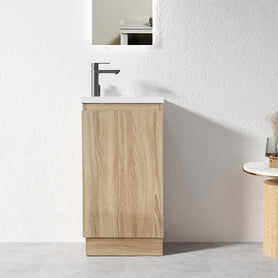
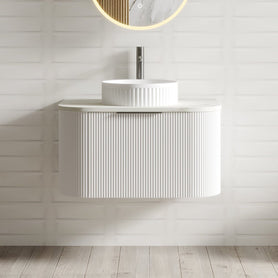
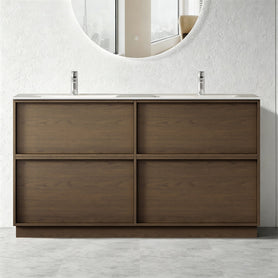
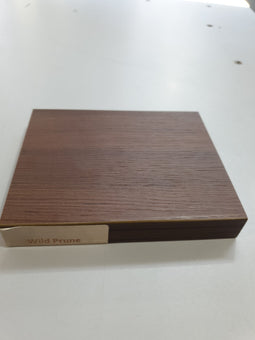
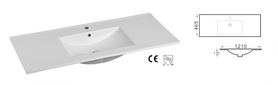
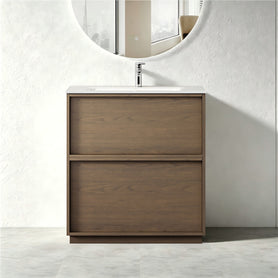
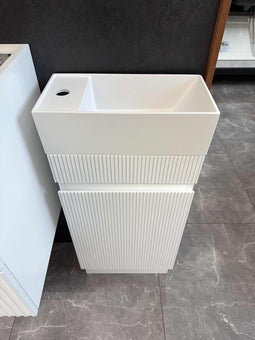
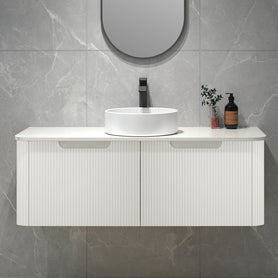
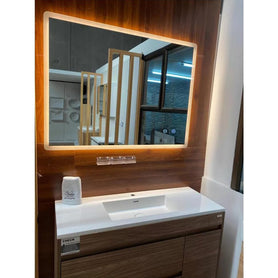
How to Prevent Mould in Bathrooms in New Zealand Mould is one of the most persistent bathroom problems in New Zealand homes. It stains grout, marks ceilings, affects indoor air quality, and can make a well-finished room feel tired long before its time. In a space that deals with steam, splashes, and limited airflow every day, mould prevention is less about one miracle product and more about smart design, sensible routines, and materials that cope well with moisture. That is where bathroom planning matters more than many people expect. A well-chosen bathroom vanity should do more than look good. In NZ homes, it also needs to support airflow, make cleaning easier, and handle the humid conditions common in many bathrooms Why Mould Grows Quickly in New Zealand Bathrooms New Zealand bathrooms often face a difficult mix of factors. Winter temperatures can be low, many homes deal with condensation, and smaller bathrooms may have limited ventilation. Add a hot shower to that mix, and moisture has every chance to settle on walls, ceilings, mirrors, joinery, and inside cabinetry. Mould does not need a flood or a leak to thrive. It only needs regular moisture, mild warmth, and a surface that stays damp long enough. Ceiling corners, silicone edges, vanity kickboards, drawer interiors, and window frames are all common trouble spots because they can hold moisture after the room seems dry. The hidden issue is often time. If a bathroom remains damp for hours after use, mould has repeated opportunities to establish itself. Prevention is about shortening that damp period as much as possible. Bathroom area Why mould forms there Practical fix Ceiling and upper walls Steam rises and condenses on cooler surfaces Use extraction early and keep airflow going after showers Grout and silicone Water sits in joints and takes longer to dry Wipe down wet zones and replace failing sealant Window frames Condensation collects on cold glass and joins Dry frames daily and improve ventilation Behind or under the vanity Poor airflow and occasional splashes Choose designs that allow easier cleaning and drying Inside vanity cupboards Damp towels, plumbing condensation, trapped humidity Keep contents dry and avoid overfilling storage Daily Bathroom Habits That Keep Surfaces Dry The most effective mould prevention methods are often simple, repeatable habits. They work because they cut moisture before it settles deeply into surfaces and joins. A bathroom does not need to be scrubbed every day, but it does need a quick reset after heavy use. A one-minute wipe of the shower screen, a few extra minutes with the fan running, and a towel hung properly rather than bunched in a corner can make a noticeable difference over a month. These habits are worth building into the daily routine: Run the extraction fan before the shower starts Wipe glass, taps, and tiles after use Leave shower doors or curtains open to dry Spread towels out fully Keep bath mats dry between uses Open a window when weather allows When several people use the same bathroom in quick succession, moisture levels climb fast. In that case, ventilation becomes even more important, and storage choices matter too. Packed vanity drawers filled with damp face cloths, cleaning cloths, or spare towels can trap lingering humidity where it is easy to miss. Ventilation and Heating Choices That Cut Mould Risk Good ventilation is the strongest defence against bathroom mould. If the room cannot release steam quickly, moisture will settle somewhere, even in a freshly renovated space. An extraction fan that is correctly sized and properly ducted is usually far more effective than relying on an open window alone. Fans should run long enough to remove humid air after the shower has finished, not just during it. Timers are useful because they take the guesswork out of the process. If the fan is noisy or weak, people are less likely to use it consistently, which turns a minor equipment issue into a long-term mould problem. Heating helps too, though its role is often misunderstood. Warm air can hold more moisture, which sounds helpful, but the real benefit comes when heating supports drying. A bathroom that is lightly warmed, ventilated, and kept free of condensation will dry out much faster than a cold room with no airflow. There is also a design angle here. If mirrors, walls, and vanity surfaces are regularly dripping after showers, the room may be signalling a ventilation gap rather than a cleaning problem. Choosing a Bathroom Vanity in NZ That Stays Dry A vanity is one of the hardest-working pieces in the bathroom. It sits close to splashing water, handles daily use, and often hides plumbing in a small enclosed space. That makes material choice, storage layout, and installation details especially important if mould prevention is the goal. Some vanities are easier to live with in humid conditions than others. Smooth, non-porous finishes are generally simpler to wipe down. Well-sealed edges matter, especially around basins and exposed joins. If a cabinet edge is vulnerable to repeated splashes, it may swell over time, and once that happens, cleaning becomes harder and moisture control gets worse. Wall-hung vanities are often a smart option in smaller bathrooms. Because the floor remains visible underneath, cleaning is easier and air can move more freely around the base. That can reduce the damp, dusty zones where mould often starts unnoticed. Floor-standing vanities can still work very well, though they benefit from thoughtful placement and enough clearance for regular cleaning around them. Storage design matters just as much as the finish. Deep drawers are practical, but they should not become storage for damp items. Open shelves can look attractive, though they need disciplined styling and dry contents. A bathroom vanity buyers choose should suit the way the room is used, not just the look of the room on installation day. When comparing options, these features are worth paying attention to: Moisture-resistant cabinet materials – Better suited to humid rooms and regular exposure to steam Wall-hung installation – Easier floor cleaning and better airflow beneath the unit Quality edge sealing – Helps limit water entry around vulnerable joins Integrated basin designs – Fewer awkward gaps where moisture and grime can collect Practical drawer layout – Reduces the temptation to store damp items in closed spaces The basin itself can help or hinder mould prevention. Shapes with sharp corners, deep rear ledges, or tight creases around the tap zone can hold water spots and residue. Cleaner profiles are usually easier to maintain, which means the vanity stays drier and hygienic with less effort. Cleaning Routines That Stop Mould Before It Spreads Bathrooms do not need harsh treatment every day, though they do need consistency. Mould often starts as a fine discolouration around silicone, grout, painted ceilings, or the underside of vanity tops. Catching it early keeps the response simple. A gentle weekly clean is more effective than an occasional heavy clean. That is because mould spores settle constantly in damp rooms. If surfaces are cleaned before visible build-up forms, they are less likely to develop those stubborn black patches that seem to return no matter how much scrubbing is done. Pay close attention to spots that are easy to miss. The bottom edge of a mirror cabinet, the back corners of the vanity top, and the area around pipe cut-outs inside cabinetry are all worth checking. A simple routine might look like this: Dry first – Remove surface moisture from glass, tiles, and vanity tops before using any cleaner Clean problem zones – Focus on grout lines, silicone edges, basin joins, and cupboard interiors Air the room – Leave the fan running or open a window so cleaned surfaces dry properly If mould keeps returning to painted areas, it may be time to review the paint system as well. Bathrooms benefit from coatings made for wet areas, especially on ceilings where condensation tends to gather. Bathroom Design Details That Make Mould Prevention Easier Small design choices can reduce mould risk every single day without adding effort. A vanity with enough bench space to keep toiletries organised means fewer bottles sitting in damp corners. Good task lighting helps people notice moisture and grime early. Easy-clean tapware and basin forms save time, which makes regular wiping far more likely. The relationship between vanity and wall also matters. If the splashback area is awkward to access or packed with sealant lines, cleaning becomes a chore. Simpler surfaces usually stay cleaner because they ask less of the person using them. Even towel placement affects results. If wet towels are constantly draped over vanity doors, moisture transfer becomes part of the daily pattern. Hooks, rails, and ventilation should work together, not compete for the same small pocket of wall space. Choosing the Right Bathroom Vanity in NZ: Where to Get Help When mould prevention is part of a renovation plan, product advice is valuable. It helps to compare vanity materials, storage formats, and installation styles in person, especially if the bathroom is compact or has a history of condensation. Seeing products up close can make details like edge finishing, drawer construction, and surface maintenance much easier to judge. Some homeowners prefer to visit a showroom to see materials and finishes in person, while others like to compare options online. At NZHomeware, we offer both. You can explore a wide range of bathroom, kitchen, and laundry products at our Avondale showroom, or use our online chat to get guidance on sizes, layouts, and product choices before you buy. That kind of guidance is most useful when you bring real bathroom conditions into the conversation. Mention whether the room has a window, whether the fan is ducted, how many people use the bathroom, and whether mould tends to appear on ceilings, around the vanity, or inside storage. Product choice works best when it responds to the actual moisture pattern in the room. When Recurring Bathroom Mould Points to a Bigger Problem If you are cleaning regularly, ventilating well, and still seeing mould return quickly, it may be a sign of something deeper. Leaking plumbing under the vanity, failed waterproofing, poor insulation, or an underperforming extraction fan can all create hidden moisture that daily cleaning will never solve. This is especially relevant when mould forms inside cabinets or at the back of a bathroom vanity that homeowners assumed was protected from direct water exposure. Those signs often point to condensation around pipework, trapped humid air, or a minor leak that has gone unnoticed. The encouraging part is that mould prevention is highly practical. Better drying habits, stronger ventilation, and more suitable bathroom materials can make a dramatic difference. In many cases, a smarter vanity choice is part of that shift, because good bathroom design is not only about style. It shapes how well the room copes with moisture every day.


