A kitchen sink gets used more than almost any other fixture in the home. It handles food prep, clean-up, soaking, rinsing, and the small routines that keep a kitchen running smoothly.
That is why choosing one should go beyond colour and shape alone.
The right sink can make a compact kitchen feel more practical, give a busy family better workflow, and support the way you actually cook. The wrong one can leave you short on space, annoyed by splash-back, or stuck with a finish that never quite looks clean. A smart choice starts with function, then brings style into the picture.
Why kitchen sink choice affects daily use
A sink sits at the centre of the kitchen work zone. It is closely tied to the tap, the benchtop, the dishwasher, and often the rubbish or compost area as well. If the sink is too small, too shallow, or awkwardly placed, that friction shows up every day.
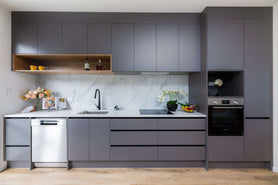
It also has a strong visual presence. In many NZ homes, especially open-plan layouts, the sink is visible from dining and living spaces. Its material, rim style, and proportions shape the overall look of the kitchen just as much as cabinet fronts or splashback tiles.
A good sink should do three things well: suit your routine, fit your cabinet and bench, and hold up over time.
Kitchen sink sizes and bowl configurations
Before choosing a finish or installation style, look at size and bowl layout. This is where many people make the clearest gains in usability. Larger is not always better. A kitchen sink should match the cabinet it sits in, leave enough bench space for prep, and still handle your biggest pots and trays.
Side-by-side comparison of single-bowl, 1.5-bowl, and double-bowl kitchen sink layouts with typical use cases.
Single-bowl sinks are often the most flexible option. They suit keen cooks, larger pans, and modern kitchens where a dishwasher handles most of the daily wash-up. Double-bowl sinks are still popular because they allow two tasks at once, like rinsing vegetables in one side while dirty dishes sit in the other. One-and-a-half bowl designs sit nicely in the middle.
The table below gives a practical starting point.
Household or kitchen style
Recommended bowl setup
Why it works
Small apartment or compact kitchen
Single bowl
Keeps more bench space free and still handles daily washing
Family kitchen with dishwasher
Large single bowl or 1.5 bowl
Good capacity with enough flexibility for prep and rinsing
Home with frequent hand washing-up
Double bowl
Separates washing and rinsing tasks
Keen home cook using large cookware
Deep single bowl
Easier fit for roasting trays, stock pots, and oven dishes
Multi-user kitchen
Double bowl
Helps two people use the sink area at once
Capacity matters, though bowl shape matters just as much. A wide, gently rounded bowl can be more useful than a narrow deep one. Internal corners also affect cleaning. Tight square corners look sharp, though they can trap grime more readily than slightly softened ones.
Kitchen sink materials and finishes
Material affects durability, noise, maintenance, and style. Stainless steel remains the most common pick for good reason. It suits almost any kitchen design, works with many tap finishes, and is generally easy to maintain. Still, it is not the only strong option.
Composite sinks, often made from granite or quartz blends, have become increasingly popular in contemporary homes. They offer a solid, matte look and are available in darker tones, soft greys, and warmer neutrals. Fireclay and ceramic sinks appeal to those who want a more classic feel, though they tend to need a little more care with heavy cookware.
When comparing materials, focus on how you live rather than what looks best in a showroom photo.
● Stainless steel: durable, easy to match with appliances, and available at many price points
● Composite stone: quieter, stylish, and often very resistant to scratching
● Fireclay or ceramic: timeless look with a smooth surface that suits traditional kitchens
● Brushed finishes: better at hiding water marks and fine scratches than highly polished finishes
Gauge is worth checking if you choose stainless steel. A thicker steel sink often feels sturdier and can reduce that tinny sound some people dislike. Sound-deադening pads or undercoating help as well, especially in open-plan homes where noise carries.
Stainless steel kitchen sinks for practical NZ homes
For many households, stainless steel hits the sweet spot between cost, resilience, and low-maintenance care. It works well with laminate, engineered stone, and stainless appliances, and it tends to age gracefully when the finish is brushed rather than mirror-polished.
If you want a sink that supports heavy daily use without demanding too much fuss, this material remains a very sensible choice.
Kitchen sink installation types for NZ homes
Installation style changes both appearance and cleaning. Topmount sinks, sometimes called inset sinks, sit with a visible rim on top of the benchtop. They are usually simpler to install and can be a good fit for many renovations. Undermount sinks are fixed beneath the bench, creating a cleaner line and making it easier to wipe crumbs and water straight into the bowl.
Farmhouse or apron-front sinks create a statement and offer generous front access, though they need cabinetry designed to suit them. Integrated sinks, where the sink is formed from the same material as the benchtop, give a very refined look and are often seen in higher-end kitchens.
If you are weighing up styles, these broad traits help:
● topmount: easier replacement in many existing kitchens
● undermount: sleek appearance and simpler bench clean-up
● farmhouse: strong visual feature with generous bowl space
● integrated: minimal look with fewer visible joins
Benchtop material matters here. Some installations are easier and safer with certain bench types. An undermount sink paired with natural or engineered stone is common, while topmount can be more straightforward with laminate. Always confirm that your chosen sink and bench combination are compatible before ordering.
Kitchen sink installation and cleaning trade-offs
A sink can look stunning in a brochure, then prove annoying in daily use if cleaning around the edges is awkward. This is why installation style should be judged with a cloth and sponge in mind, not just a mood board.
An undermount sink often wins on clean lines. A topmount sink often wins on renovation flexibility and cost. The better option is the one that suits your bench, your budget, and how long you plan to stay in the home.
Kitchen sink depth, ergonomics, and cleaning comfort
Depth is often overlooked. A deeper sink can hide dishes and reduce splash, which many households appreciate. Yet if it is too deep for the main user, it may become uncomfortable over time, especially when washing large items by hand.
Think about who uses the kitchen most and how often. If a dishwasher handles the majority of cleaning, a single deep bowl may be ideal. If there is lots of hand washing, a slightly shallower bowl or double-bowl layout may feel better on the back and shoulders.
A few practical checks can prevent regret later:
● A deep bowl: great for soaking and large cookware, though it may feel less comfortable for shorter users
● A moderate depth: often gives the best balance of splash control and comfort
● Tight corners: modern look, though they usually need more careful cleaning
● Rounded corners: easier wipe-down and less grime build-up
Drain placement also affects comfort. A rear-set waste can create more flat space on the sink base and leave room below for storage. A central waste can be perfectly fine too, though it may take up the most useful standing area for pots and bowls.
Kitchen sink tapware, accessories, and workflow
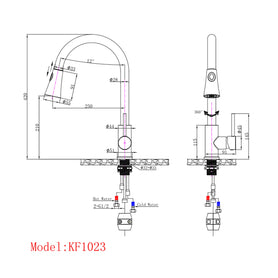
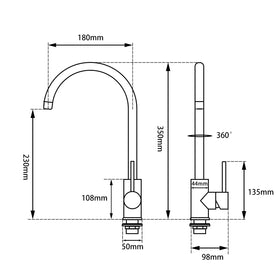
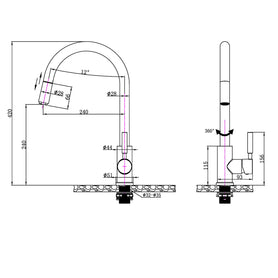
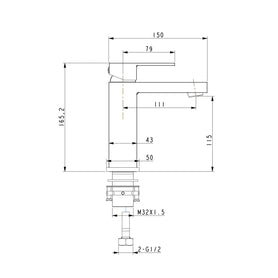
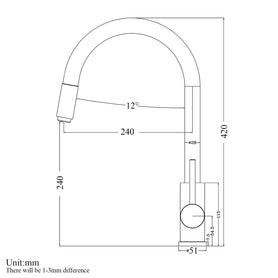
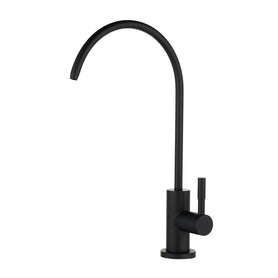
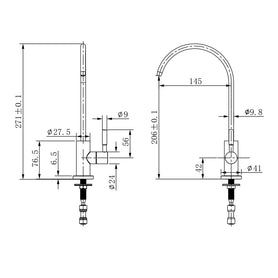
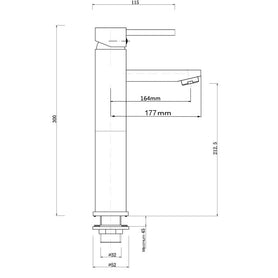
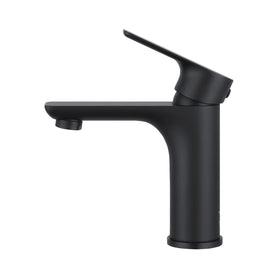
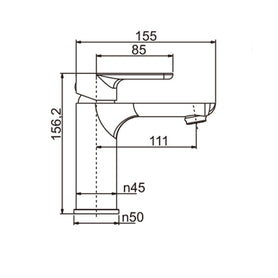
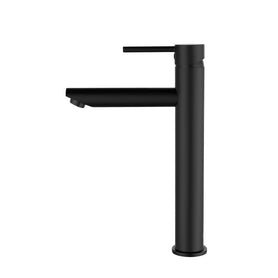
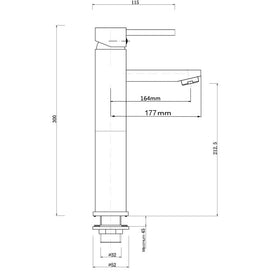
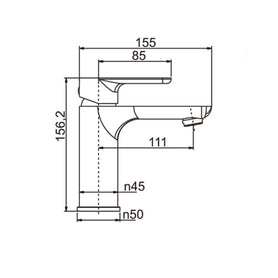
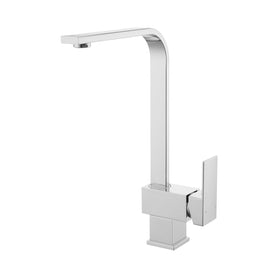
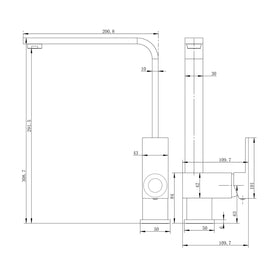
A sink never works alone. Tap height, spout reach, drainboard design, and accessories all shape how useful the area feels. A well-matched mixer can make a modest sink perform far better, while a poorly matched one can create constant splashing.
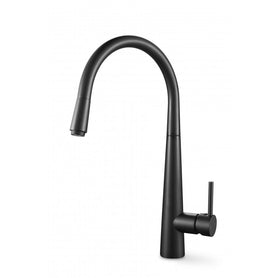
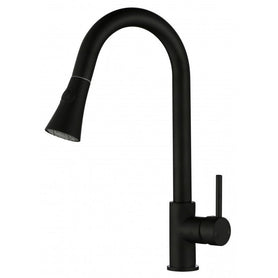
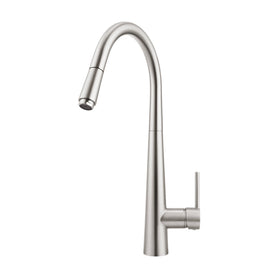
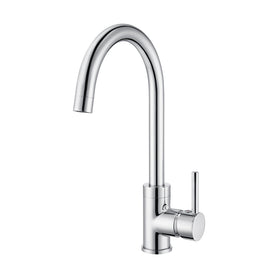
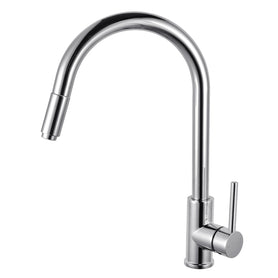
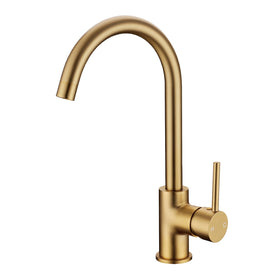
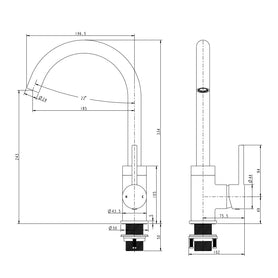
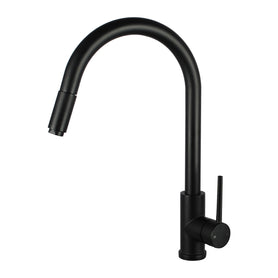
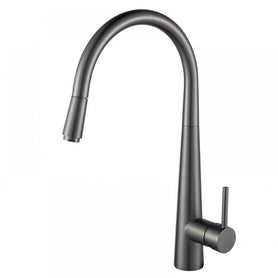
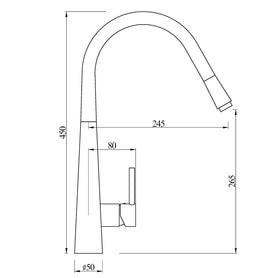
Tall gooseneck mixers look good and help with large pots, though in some settings they can increase splash if the spout sits too high above the bowl. Pull-out sprays are handy for rinsing corners and washing produce. If the sink sits in front of a window, clearance becomes important too.
Accessories can be surprisingly valuable. Some sinks come with or support add-ons that turn the sink into a prep station.
● colanders
● chopping boards
● drying racks
● basket wastes
● protective bottom grids
These additions are especially useful in smaller kitchens, where the sink can double as prep space without crowding the bench.
Choosing a kitchen sink for your cooking habits
The best sink is the one that fits your household rhythm. Someone who cooks most nights, bakes often, and uses oversized cookware will value width and depth. A household that relies on takeaway, a dishwasher, and quick clean-ups may be happier with a smaller, simpler model that leaves more room on the bench.
Style matters too, though it should follow function. A black composite sink can look striking in a modern kitchen, though it may show pale residue in hard-water areas. A white fireclay sink can bring warmth and character, though it will need regular care to stay fresh-looking. A brushed stainless sink tends to stay versatile as surrounding finishes change over the years.
If you are planning a renovation, think one step ahead. Ask whether your sink choice still makes sense if your household changes, if children become more involved in the kitchen, or if you plan to sell in a few years. Broadly appealing choices often age well, especially when paired with solid practicality.
Questions to ask before buying a kitchen sink
A short checklist can save time and money. It also helps when comparing products online, where dimensions and installation notes can be easy to skim past.
● Cabinet size: what is the minimum base cabinet width required?
● Benchtop type: is the sink suitable for laminate, stone, timber, or another surface?
● Waste fittings: what is included, and will it work with your plumbing set-up?
● Tap hole configuration: is the sink pre-drilled, or can it be adapted?
● Care requirements: how much day-to-day maintenance does the material need?
● Noise control: does the sink include sound-deadening features?
If possible, measure a few everyday items before you buy. The roasting dish, stock pot, oven tray, and air fryer basket can tell you more than product marketing ever will.
Where to compare kitchen sink options in person and online
Photos help, though they rarely tell the full story. Seeing sinks in person makes it much easier to judge bowl depth, corner shape, finish texture, and overall scale. If a showroom is available, it is worth taking along your cabinet width, benchtop details, and a few rough measurements from your kitchen.
Some retailers display kitchen, bathroom, and laundry products in showrooms in places like Avondale, which can be useful if you want to compare styles side by side. Qualified staff can often answer practical questions about fit, installation, and compatible accessories. If you are shopping online, live chat support can be just as helpful for checking dimensions, stock, and product details before you place an order.
A kitchen sink may seem like a small decision early in a renovation, yet it shapes daily life in a very real way. When size, material, installation, and workflow all work together, the whole kitchen feels more capable from the first day you use it.
Choose the Right Kitchen Sink with Confidence
Selecting the right kitchen sink can make a significant difference to how your kitchen looks, feels, and functions every day. From choosing the right size and bowl configuration to comparing materials and installation styles, every detail plays a role in creating a kitchen that is both practical and visually appealing.
At NZHomeware, we provide a wide range of quality kitchen sinks, tapware, and homeware solutions to suit modern New Zealand homes. Whether you are planning a full kitchen renovation or simply upgrading your sink area, our experienced team can help you find products that balance durability, style, and everyday functionality. Visit the NZHomeware showroom in Avondale or browse online to explore our latest kitchen and bathroom collections.