




How to Choose the Right Size Vanity Mirror for Your Bathroom
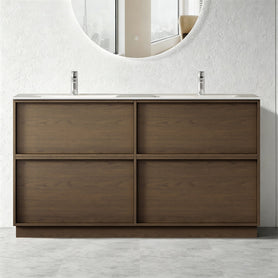
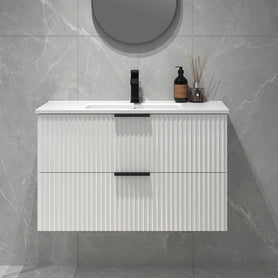
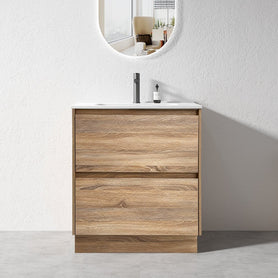
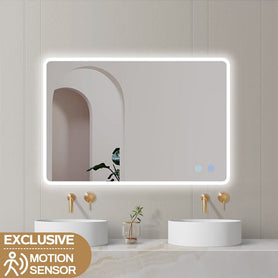
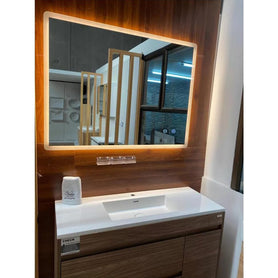
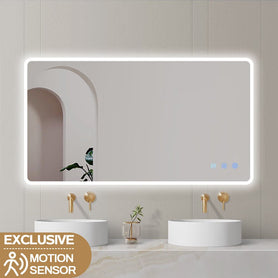
A vanity mirror can make a bathroom feel balanced, brighter, and easier to use every day. Yet size is also where many bathroom plans lose their rhythm. A mirror that is too narrow can look undersized beside the cabinet, while one that is too large can crowd lighting, tiles, or tapware. Getting the proportions right is less about chasing a trend and more about reading the room well. The vanity width, ceiling height, basin layout, and wall space all matter. Once those pieces are clear, choosing a mirror becomes far simpler. Why vanity mirror size matters in bathroom design A vanity mirror is not just a reflective surface. It shapes how the entire vanity wall feels. In a compact bathroom, the right mirror can open up the space visually. In a larger ensuite, it can tie together cabinetry, lighting, and fittings so the room feels intentional rather than scattered. Scale is the key idea. A mirror should relate to the vanity below it and the wall around it. If the vanity is broad and grounded but the mirror is tiny, the whole area can feel top-heavy in the wrong way. If the mirror stretches too far beyond the cabinet, it can look awkward and dominate the room. Daily use matters too. A good size mirror gives enough reflected area for grooming, make-up, shaving, hair styling, and general visibility without forcing anyone to lean in too closely. Practical comfort and visual balance should work together. Standard vanity mirror size guidelines for New Zealand bathrooms There is no single perfect measurement, though there are reliable proportions that work in most bathrooms. A common approach is to choose a mirror that is slightly narrower than the vanity. This keeps the lines tidy and avoids the mirror appearing to spill past the cabinet edges. In many homes, the mirror width sits around 50mm to 150mm narrower than the vanity. That gap can be split evenly on both sides, which often creates a cleaner, more tailored look. Height is more flexible and depends on ceiling height, splashback design, and whether wall lights are installed above or beside the mirror. The table below gives a practical starting point. Vanity width Suggested mirror width Typical mirror height Best suited to 600mm 450mm to 550mm 700mm to 900mm Small powder rooms, compact bathrooms 750mm 600mm to 700mm 750mm to 950mm Standard single vanity 900mm 700mm to 850mm 800mm to 1000mm Larger single vanity 1200mm 1000mm to 1100mm 800mm to 1000mm Wide single vanity or compact double setup 1500mm 1200mm to 1400mm 850mm to 1100mm Double vanity 1800mm 1400mm to 1700mm 900mm to 1200mm Large double vanity These numbers are a guide, not a rulebook. A frameless mirror may appear lighter and can sometimes be scaled a little larger. A thick framed mirror has more visual weight, so it may look best when slightly smaller. How to measure bathroom wall space before buying a vanity mirror Before choosing a style, measure the full vanity wall carefully. Start with the vanity width, then note the height from benchtop to ceiling or to any wall feature above. If you already have wall sconces, a shaving cabinet, or a tiled feature section, measure those clearances too. The placement of the basin and tapware should also be checked. If the basin is centred, mirror placement is usually straightforward. If the vanity has an offset basin, the mirror may need to respond to that layout rather than simply matching the cabinet width. A few measurements matter more than others: ● Vanity width ● Benchtop to ceiling height ● Splashback height ● Basin centre line ● Distance to wall lights ● Clearance from tapware to mirror edge When measuring, think in three dimensions rather than just width. A mirror may fit across the wall but still feel too tall once lights, shelves, or tall tapware are considered. Choosing vanity mirror width for single and double vanities For a single vanity, the easiest method is to keep the mirror narrower than the cabinet. This usually creates a balanced look and keeps the vanity as the visual anchor. A 750mm vanity, for example, often works well with a mirror around 600mm to 700mm wide. If the vanity is wall-hung and visually light, a larger mirror can work beautifully because it adds presence above the basin area. If the vanity is chunky or heavily framed, a slightly smaller mirror may help the wall feel less crowded. Double vanities call for a bigger decision. You can choose one large mirror spanning both basins or two separate mirrors, one above each basin. Both can work well, but each creates a different feel. ● One large mirror: cleaner sightline, stronger sense of width, ideal for modern spaces ● Two separate mirrors: more structure, easier symmetry with double basins, often suits classic or transitional bathrooms ● Wider single mirror with wall lights: useful when you want the mirror to unify the whole vanity wall ● Paired mirrors with gap between: a good choice when cabinetry or tapware already creates two distinct zones In many double vanity settings, two mirrors can make the wall feel more refined, especially if there is enough space between basins. A single oversized mirror, though, can be excellent in bathrooms where a crisp, minimal look is the goal. Vanity mirror height, eye level, and everyday comfort Width usually gets the most attention, but height matters just as much. A mirror should reflect users comfortably without forcing them to stoop or stretch visually. In family bathrooms, this often means choosing a height that serves a range of adults while still feeling balanced above the basin. A common approach is to hang the mirror so the centre sits around average eye level, while also keeping enough room above the tapware and splashback. If the bathroom has high ceilings, a taller mirror can help draw the eye upward and give the wall a stronger vertical line. In smaller bathrooms, taller mirrors are often useful because they reflect more light and make the room feel less closed in. Still, there needs to be breathing room. If the mirror nearly touches the ceiling or presses hard against a shelf or light fitting, it can look cramped. One simple check helps. Tape out the mirror size on the wall before ordering. It takes only a few minutes and gives a much clearer sense of proportion than numbers on a page. Mirror shape and frame style also affect perceived size A round mirror and a rectangular mirror can have very different visual impact even when they share similar dimensions. Round mirrors often feel softer and take up less visual space, which makes them a strong option in smaller bathrooms or in rooms with a lot of square lines already. Rectangular mirrors tend to offer the most usable reflection area. They are a dependable choice above single and double vanities, and they sit naturally with tiled walls, cabinetry, and linear tapware. Arched mirrors sit somewhere in between, adding softness while still preserving good height. Frame thickness changes the visual weight as well. A slim metal frame can feel crisp and light. A broad timber-look or decorative frame can make the mirror feel larger and more dominant, even if the reflective area is not especially big. Keep these visual effects in mind when comparing options: ● Frameless mirrors: clean, light appearance, often suits modern bathrooms ● Thin frames: clear definition without making the mirror feel bulky ● Thick frames: stronger decorative presence, better in larger bathrooms ● Round shapes: softer look, less reflective width than rectangles of similar size ● Arched shapes: a good balance of softness and vertical emphasis Lighting, tapware, and storage can change the right mirror size The mirror does not sit alone. Wall lights, pendant lights, tall basin mixers, shelves, and shaving cabinets all shape how large or small it should be. A generous mirror may look perfect until side sconces are added. A mirrored cabinet may offer ideal storage but need more clearance than a flat mirror. Lighting placement deserves early attention. If lights will sit above the mirror, leave enough wall space so the arrangement looks calm rather than compressed. If sconces will go on both sides, the mirror may need to be narrower to keep the spacing comfortable. Tall tapware matters too, especially in vessel basin setups. If the mirror starts too low, water spots become more likely and the whole wall can feel crowded around the basin. Here is a quick sense check before you commit: ● Above-basin clearance: leave enough room so the mirror does not feel pressed onto the benchtop zone ● Wall light spacing: check the full layout, not just the mirror size by itself ● Cabinet doors or shaving cabinets: allow swing space and practical access ● Splashback relationship: make sure the mirror height works with tile lines and grout joints where possible Common vanity mirror sizing mistakes to avoid One of the most frequent mistakes is choosing purely by trend. Oversized mirrors can look striking online, yet the same scale may feel overpowering in an average home bathroom. The reverse is also common: a mirror chosen cautiously ends up looking too small once installed. Another mistake is ignoring the vanity style. A slim floating cabinet and a deep traditional vanity do not need the same mirror proportions. Matching style and scale matters more than copying a set formula. People also forget to measure the whole wall composition. Once lighting, tapware, storage, and tile lines are considered, the best mirror size often changes slightly. That small adjustment can be what makes the finished bathroom feel polished. Getting help with vanity mirror selection in Auckland and online Even with measurements in hand, it can be useful to compare a few options side by side. Seeing mirrors in person often makes shape, frame thickness, and proportion much easier to judge than looking at isolated product images. For those planning a bathroom update, NZHomeware offers a range of bathroom products along with options for kitchens and laundries, with items on display in our Avondale showroom. That can be helpful when you want to see how a mirror works with vanities, basins, and tapware in the same setting. Support can also make the decision less uncertain. Qualified staff in the showroom can help answer product questions, and the online team is available through live chat for those comparing sizes or trying to narrow down a shortlist from home. A well-sized mirror does more than fill a wall. It brings order to the vanity area, supports daily routines, and gives the bathroom a more settled, confident look. When the width, height, shape, and surrounding fittings work together, the result feels right straight away.


